When Manchester City beat Arsenal on Sunday, the commentators were hyperbolic about City’s pursuit of the Premier League title and their relentless success machine. It left me cold; with the exception of Leicester in 2016, I’ve always found the league title an underwhelming spectacle.
The league is designed not to reflect the excitement of any individual game or moment, but the overall resilience of each club, something which ultimately requires a big pile of cash.
Football’s core appeal is its ability to unlock a range of emotions from boundless joy to untethered fury. With money, the range narrows from the satisfaction of expected success to the disappointment of unfulfilled success. Real failure isn’t part of the equation; this is good for investors and anyone working in the game, but for fans; no jeopardy, no magic.
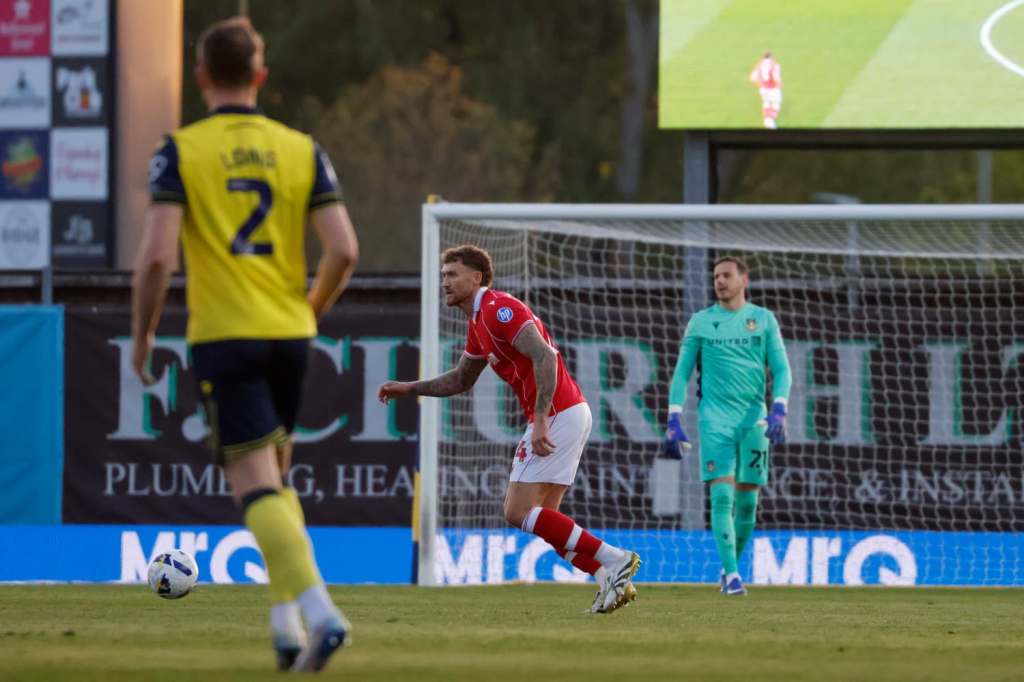
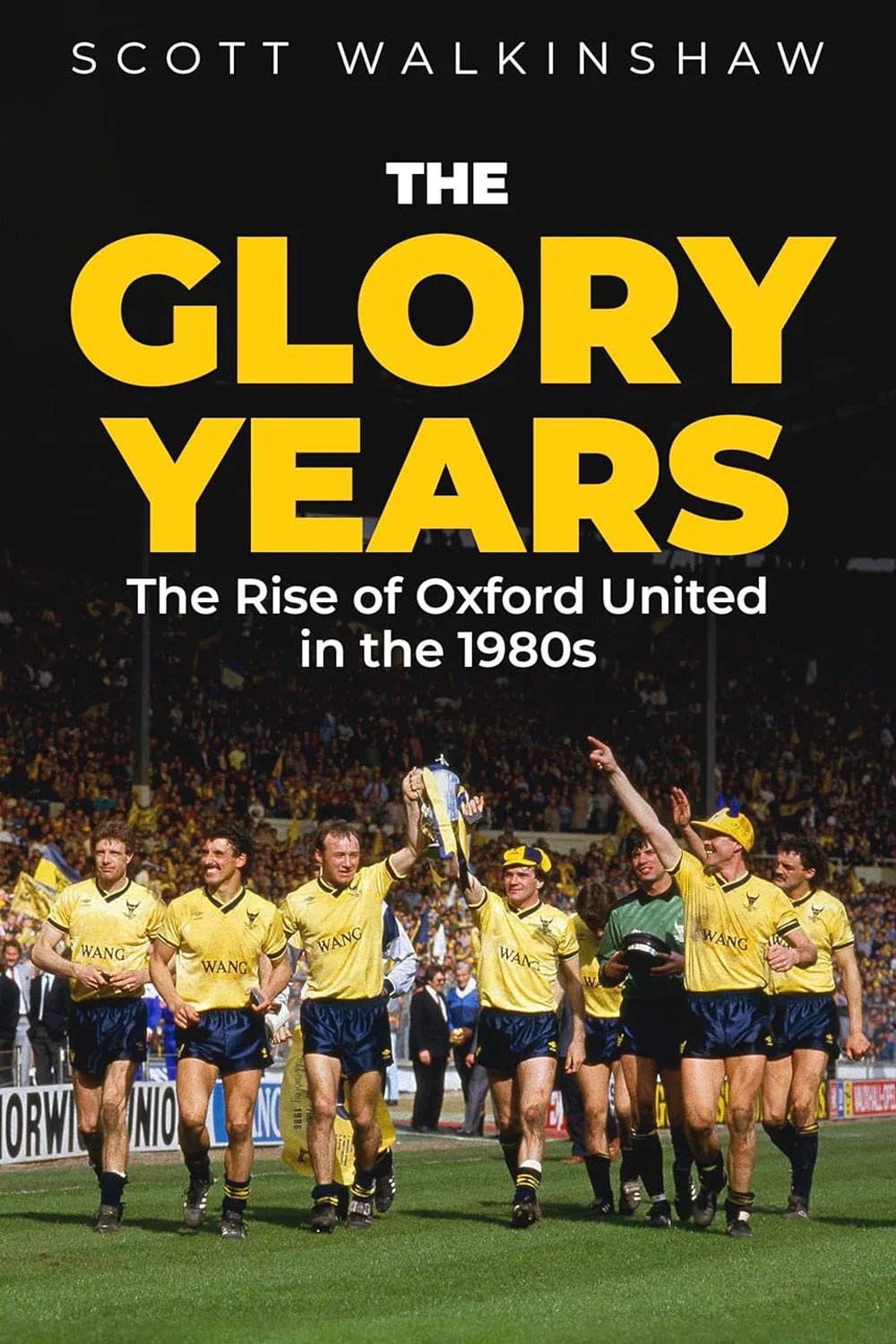
It was never going to be easy navigating the anniversary of the Milk Cup win through the crapstorm of a relegation fight, but I thought the club did a pretty good job of it. The range of merchandise was solid, the social media and documentary content was interesting, the branding around the game worked and they made a decent fist of getting most of the 1986 side back for the Wrexham game.
But on the brink of relegation, it was like lying in a bath of warm nostalgia while downstairs, the toaster exploded and set fire to the curtains. It illustrated the paradox of being a football fan; we want the highs of Wembley cup wins, but there’s a hypnotic glory in trying to stare down failure.
That said, accessing the right emotion for the night was difficult. Submerging ourselves in toxic frustration in the presence of our Milk Cup heroes seemed inappropriate. Ignoring what was unfolding on the pitch was a dereliction. In the end the atmosphere was like pre-season on steroids, the stands were full, but the atmosphere muted, attempts at finding a rhythm was like playing freeform jazz on a trumpet wearing oven gloves.
Wrexham too seemed less glamorous in real life and even less like a team gunning for the Premier League. Maybe it’s because they’re not a football club anymore, Welcome to Wrexham has become the plucky story of a global sports entertainment brand and a Venus Flytrap for corporate America. They need to keep winning to satisfy their ubercorp paymasters, so the club’s cultural roots – previously an important part of the story – are ripped out each season and upgraded so they can compete at every new level. If the owners genuinely want to reflect the trials of being a football club, they need some failure in the story arc.
Wrexham could be us; they’ve done their time in non-league, their stadium is charmingly ill-equipped to cope with the success they want. We’ve competed for the same players; Anthony Forde, Sam Smith and Elliott Lee have played for both clubs. The difference is they’re gacked up on cash and profile, getting hand outs from starstruck government officials for stadium improvements and selling chunks of vaporous hope to private equity investors.
The remaining vestige of their origin story is Phil Parkinson, the Ian Beale of Welcome to Wrexham. He was hardly a grass roots underdog when he joined them in the Conference but, you’ve got to admire his ability to survive the endless cull.
Parkinson’s enduring legacy is that Wrexham play like a multi-million pound League Two side; physical, organised, with a pragmatism that values results over style. It’s not a criticism, we’d kill for an ounce of that, but just it’s not pretty stuff.
The first half strolled around at what felt like half-pace, like the teams had forgotten they needed a win to keep their season alive. Perhaps we instinctively knew that was a false hope or maybe Parkinson just felt he didn’t need to do much beyond wait for us to make a mistake.
The goal, when it came, was a simple ball dropped behind the midfield which allowed Josh Windass time to take aim and fire past Jamie Cumming. His muted celebration made it seem like even he was bored of their success. Maybe he knows the more success they have, the closer he is to being eased out and replaced by the next wave.
The response had all the bite of a toothless man sucking marshmallows, Mills and Lankshear looked like they’d played one too many games, Brannagan bounded around slightly behind the play while Peart-Harris’ languid style, which can make him look disinterested, really just looked like he was running on fumes.
It wasn’t just the lack of chances, we lacked any real structure or plan, like we’d been placed in a hermetically sealed ante-room where nothing we did meant anything.
With ample time remaining, any remnants of a plan dissolved, at one point we had Ciaron Brown crossing from the right wing to Michal Helik playing as centre forward. A few minutes later Will Lankshear was off the field beckoning to the crowd to make some noise unaware the ball was still in play. Then Amakhu who made some inroads when he came on, was scythed down on the edge of the box and Cameron Brannagan launched a free kick that ballooned away into the night.
Keifer Moore appeared looking like a shaved polar bear; he’s so massive he makes judging perspective almost impossible. With minutes to go, a corner on the right arced towards an unseemly tangle in the box. Ciaron Brown appeared like he was picking up an Amazon package from his doorstep in a towel and the door had slammed behind him. Stripped of his shirt, he jumped around self-consciously, the referee seemed so surprised to see him, he didn’t realise Brown had his shirt removed by a Wrexham defender.
Like a rolling wave catching a surfer, the whistle went and the season crashed over our heads; the burst of effort we’d put in to get ourselves back in the fight has just served to drain us when we needed it. Relegation itself isn’t where the pain is, the process you have to go through is; it now seems so unavoidable, I wouldn’t be unhappy to see Blackburn take the points they need and be done with it.

 Oxblogger
Leave a reply to Adam Hurst Cancel reply