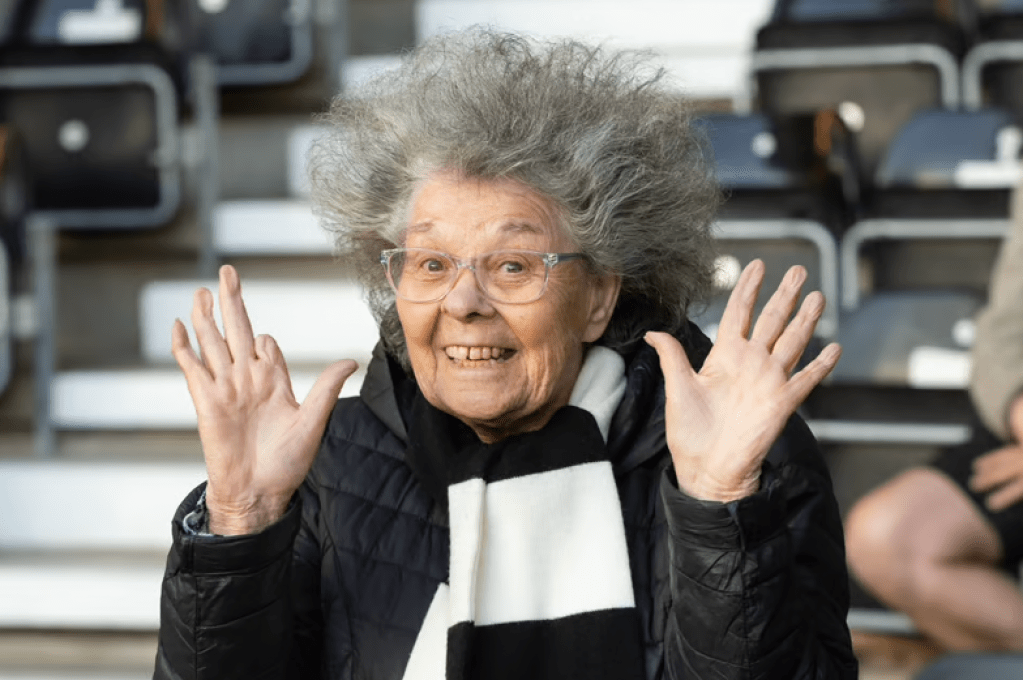
The international break unwrapped
After the 2-1 defeat to Watford, everyone headed off on the international break to do international break things. Mark Harris got the ball rolling as a substitute in Wales’ 3-0 defeat to England at Wembley and then started their 4-2 loss to Belgium in Cardiff. Little brother Luke started Wales Under-21s’ 7-0 defeat to Belgium in Newport before coming off the bench to grab an assist in their 2-0 win over Austria.
Brodie Spencer came on as a substitute in Northern Ireland’s 2-0 win over Slovakia before putting in a sterling display against Germany, despite a 1-0 defeat. Ciaron Brown, who was selected for the squad despite not completing a game in six months, was there to menacingly hand out the half-time oranges. Staying in Europe, Filip Krastev came on in Bulgaria’s 6-1 defeat home Turkey and, clearly enjoyed that pasting so much, completed a brutal week with a 4-0 loss to Spain.
Further afield, Greg Leigh didn’t feature in Jamaica’s 2-0 defeat to Curacao, but started the 4-0 win over Bermuda putting him on the brink of World Cup qualification. Greggles at the World Cup, who’d have thought it?
Ole Romeny’s comeback from injury gained momentum with two substitute appearances on Indonesia’s Middle East crisis tour. First he came on in the 3-2 defeat to Saudi Arabia before featuring in their 1-0 loss to Iraq. The result ended Indonesia’s World Cup qualifying hopes and resulted in Erick Thohir giving manager Patrick Kluivert the boot.
Most exciting of all was the decision by the Secretary of State not to call in Oxford’s new stadium application. This triggered twenty-four hours of Oxford fans knowingly using the phrase ‘calling in’ for the first and very last time. Next up; Oxford fans complaining about the pace of building progress using their experience of building a loft conversion as a reference.
But forget boring old football, fresh from the revelation that Jack Currie is friends with actual Matt Lucas there’s heartening news that the Eastwoods and the Brannagans have put the Sweet Formation debacle behind them. The Cam ‘n’ Easty show has rolled into town like Bonny Blue’s Bang Bus (though with slightly less chlamydia, we imagine). While running their football academies and starring in A Day In A Life video short (Easty: “I’ll have an omelette on a normal day, but as I’m getting filmed today, I’m having cheese on it.”), The lads took a break from football (and Easty, a break from whatever he does nowadays), to support the glovesman’s wife Emma complete the Oxford half-marathon. The Longs were there too meaning we’re just the Goodrhams away from having a Netflix reality show smash on our hands. Not content with a grand day out, the Brannagan and Eastwood ladies have partnered up to launch their new business; Flow Pilates in Bicester. We will watch with growing interest, although not in the way you’re thinking.
Ramsfacts
Derby’s season has had similar parallels to our own. They’re currently 20th, a couple of points ahead of us, with just one win this season. Their failings will resonate with most Oxford fans; solid draws against Ipswich, Southampton and Wrexham, plus an excellent win at West Brom suggest there’s potential in the team, but failure to capitalise has proved their undoing.
Signings like Carton Morris from Luton and Rhian Brewster from Sheffield United, and a rumoured £6m on Patrick Agyemang from Charlotte show there’s plenty of quality in the side.
But, parallels being parallels, if we can be a little less like us and them a little more like us, then three points are within our grasp. Sadly , such things are never that simple in reality.
Football friend | Paul Simpson

Relegation from Division One in 1988 was brutal, John Aldridge was gone, Ray Houghton was gone, Kevin Brock, Gary Briggs, Malcolm Shotton, Dave Langan; gone, gone, gone. The first game back in the second division contained not one player from the Milk Cup Final winning team from two years earlier.
Then it got worse, Dean Saunders was sold to Derby despite promises that he’d be kept to ensure an immediate return to the topflight. As a result, Mark Lawrenson resigned or was sacked or both. We won four of our first fourteen games; a promotion strategy laced with eccentricity.
Lawrenson’s replacement, Brian Horton, reviewed the detritus of chaos; we needed a hero. That came in the form of Manchester City’s England Under 21 winger Paul Simpson.
Let’s not pretend there’s a great story arc here, if anything it’s a story of unfulfilled promise. Simpson was a bright spark around which a team could be built, but it would take a while to see it for what it was. Despite two seventeenth place finishes, punctuated by occasional brighter moments, Simpson’s performances gave fans something to cling onto.
In 1990/91 things improved, a tenth-place finish suggested that we were finally moving in the right direction. Simpson finished with 18 goals, and the team enjoyed a giant killing at Chelsea in the FA Cup. If Oxford could strengthen, a play-off challenge would be the next goal.
Brian Horton set about re-engineering his side into one which might again challenge for promotion without knowing he was working from a smouldering platform.
On 5th November 1991, Robert Maxwell, aboard his yacht, slipped while urinating over the side in the middle of the night. He drowned and wasn’t found until the next morning. Within days Maxwell’s business empire collapsed and Oxford United were crushed in the rubble. The club shifted from building to surviving, within three months, Oxford cashed in their biggest asset and Simpson went to Derby for £500,000, about half what he was worth.
From the archive | Derby County 0 Oxford United 1 (1992)
As boomers and Gen X fans will tell you, it hasn’t always been wall-to-wall live football on TV. In 1992, when the Premier League was formed, the Football League were still limping along with its terrestrial TV deal.
Regionalised live games fragmented the offering further, so when Central Match – Live covered Oxford’s trip to Derby County in October 1992, it was a real treat.
Robert Maxwell was dead, setting both clubs off on an adventure into the unknown. After the initial shock and a breathtaking last day escape from relegation in 1992, we started the 1992/3 season with two wins in nine games and were sitting in fifteenth, one place above our hosts.
Derby had done quite well from Maxwell’s demise, they’d been sold to newspaper magnate Lionel Pickering, who invested £6m on Marco Gabbiadini, Tommy Johnson, Paul Kitson and Craig Short.
Brian Horton had other problems; goalkeepers Paul Kee and Ken ‘The Tree’ Veysey were both injured. In desperation, he offered Paul Reece an 18 month contract, saving the ‘keeper from signing on the dole after failed trials at Scunthorpe, Doncaster and Kettering.
The opening minutes of the game reflected the post-Maxwell gulf in the two clubs’ aspirations; Derby flooded forward with Tommy Johnson sliding the ball beyond Reece but narrowly wide of the goal.
Reece then sprang acrobatically to flick away Simpson’s awkward volley before the former Oxford winger hit the underside of the bar. The goalie then parried a thunderous drive from Andy Comyn before getting down well to save from Johnson who’d outpaced Mike Ford to get his shot away.
In the second half, Gabbiadini weaved through the Oxford defence only to confront Reece, who managed to take the sting out of his shot and allow Ford to clear. In total he made seven outstanding saves including an incredible stop from Mike Forsyth’s swerving drive. Reece seemed to be going the wrong way before twisting mid-air to save.
With just over 10 minutes to go, Oxford won a corner which was taken by Jim Magilton, who twitched as he prepared to cross. His centre was cleared by Darren Wassall but the ball dropped to John Durnin to volley through a crowd of players for the only goal of the game.
Oxford would stay mid-table for the season, finishing 14th while Derby missed out on the play-offs in 8th. Paul Reece, meanwhile, had cemented his place in Oxford history by delivering the greatest goalkeeping display in their history.
Want more?
If you’re a true glutton for punishment, then sign up to the Oxblogger Newsletter, an eclectic bimonthly online fanzine written by the fans for the fans. The October issue is out soon.
The latest Oxblogger Podcast is out, where we tackle the trickiest of subjects; the definitive team of the 1990s.
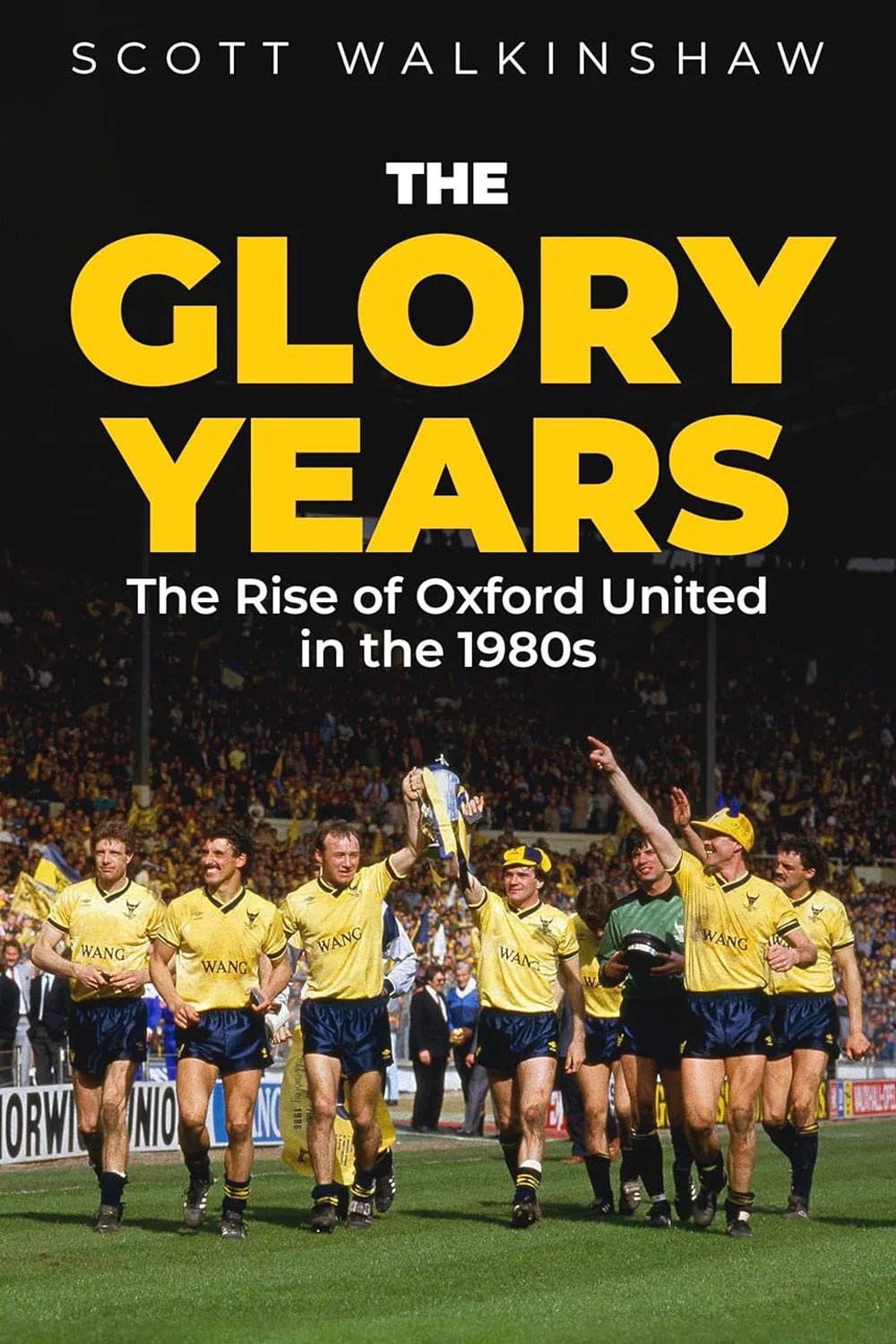
And, if you’ve really got this far and aren’t aware, this season marks the 40th anniversary of Oxford United’s first season in the top flight, The Glory Years is out now the remarkable in-depth story of our rise through the divisions during the 1980s.
 Oxblogger
Leave a comment