I used to work with someone who’d come from a multi-billion pound global blue chip company with tens of thousands of employees. The company I work for aren’t a multi-billion-pound global blue-chip company with tens of thousands of employees. Their employment was pretty much predicated on this, when their arrival was announced, the company was mentioned before their name.
They talked about ‘transformation’ and about what their previous employer did, they introduced ‘technology stacks’, CTAs (call to actions), UX (user experience) and POCs (proof of concept). We already used these terms or variations thereof, but this was the language of Global Corp and therefore ‘good’. Others started talking in that way because it sounded informed about modern business. Everything we did had to be stripped back and workshopped using agile techniques as though nobody knew what the business did or how it worked. They were a qualified scrum master, everything was broken down into agile sprints, which seemed to become bigger and slower than any project we’d done in the past.
It created a magnetic pull, everything gravitated towards them, nothing could be done with a workshop to establish the user journey, UX, CTAs, POCs or an assessment on the impact on the technology stack. Strategies had to be written about strategies, we were on a three-year transformation, which became a five-year transformation, which became and eight-year transformation. The whole business would be replaced by AI and algorithms. It needed investment, the equivalent of about three years’ turnover, or Global Corps’ back-up paper clip budget.
Nothing ever got done, the story and working practices of Global Corp calcified around the business, people got frustrated, they got on with their jobs, expectations grew beyond anything that was possible. Workshops were still held, but people ignored the outcomes.
We all come with a story; it creates perceptions, sets expectations, and causes distractions. For weeks, we’ve been obsessing over Karl Robinson’s departure, results haven’t so much been the focus of the problem as the fuel for the discussion. Now he’s gone, there’s another story dominating the scene – who’s next?
Michael Appleton has rapidly become the number one talking point; fans want him, he wants to come (apparently), nobody has a bad thing to say about him. But he comes with a story, a big one. It’s been re-edited over time, he’s now a transformative manager who’d just ‘sort things out’. Is he? Or did it take nearly a year of struggle? Didn’t he say, when things were going badly, there was no plan B? He had a vision at Oxford, which he was given a chance to realise, but nothing he’s done in management suggests it’s a quick job.
Of course, if he comes in and succeeds, he would just cement his legend and nobody is going to complain about that, but he doesn’t have magical powers – his story – 2016 and all that – immediately creates a pressure he didn’t have first time around. And what if it goes wrong, what if he isn’t the new messiah (a label we would place on him, not him)? Will we have the heart to fire him and find someone new? Karl Robinson’s sacking was undoubtedly slowed because of his backstory – one caller to Radio Oxford on Saturday didn’t think he’d been given enough time despite five years and a run of form that we haven’t seen for over 20 years.
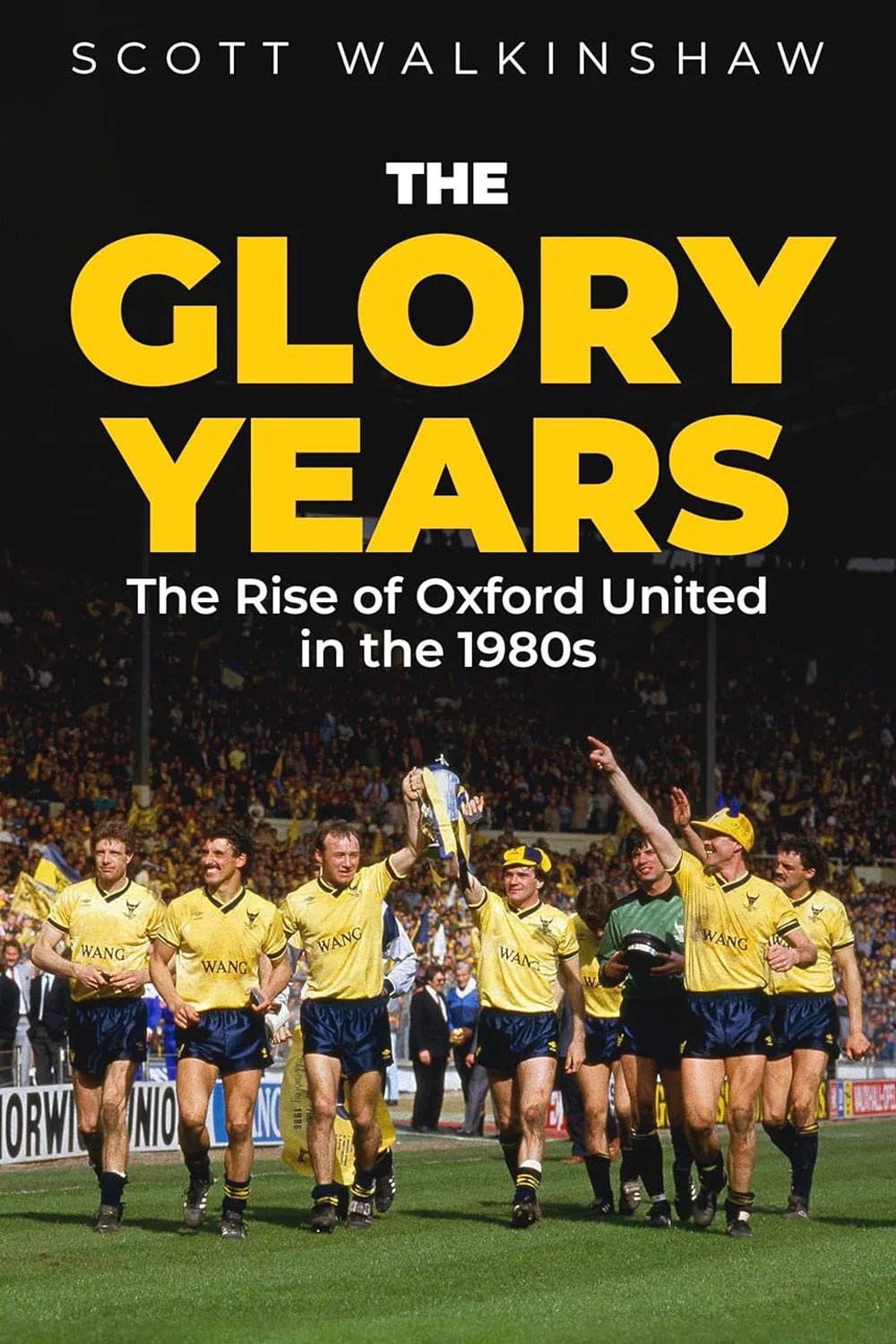
The real story here is the next eight weeks and a fight to avoid relegation. Anything else – including the return of managerial or playing legends or big names – is a distraction. We do need to resolve the management discussion so we can focus on the job at hand, but we don’t need six weeks of sepia tinged nostalgia about how great everything was in the past. In 2006 Jim Smith returned to Oxford as we teetered on the edge of relegation to the Conference. It was emotional, there was talk about buying the stadium, transforming it and flying up the leagues back to the glory days of yore. We won two in eight and were relegated.
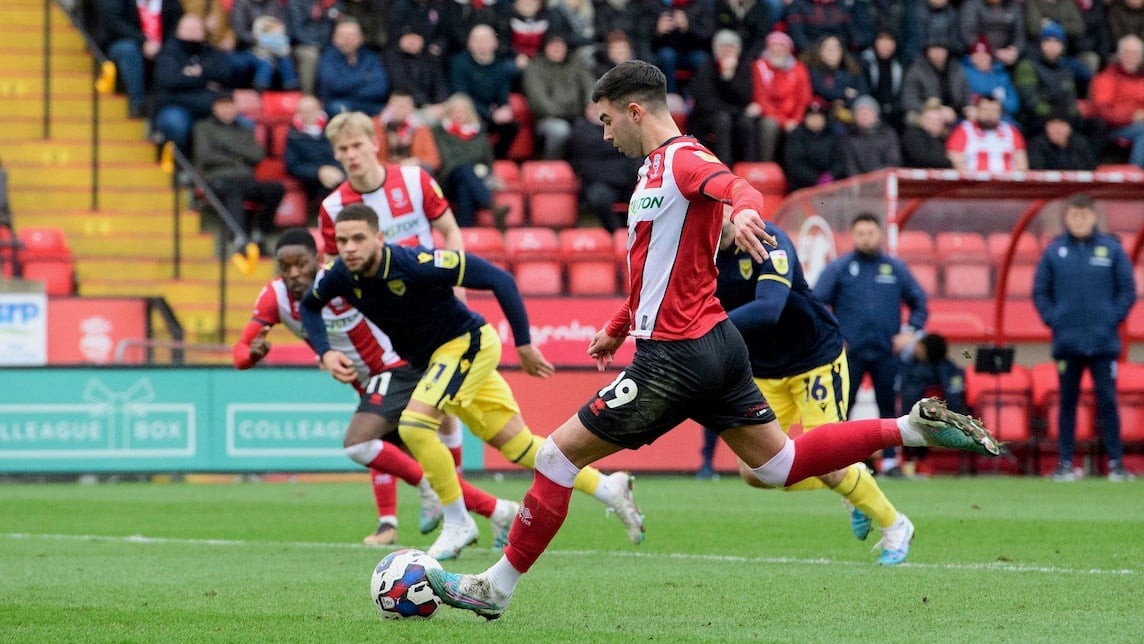
Despite the defeat to Lincoln, there was a vague flicker of hope. Carl Short seemed to have focussed the team on stopping the rot rather than playing their way out of it; we were more dogged, committed and disciplined. Apart from the penalty which was fair but a disproportionate punishment for the foul, we didn’t look as shaky and fashioned some half-chances to take a point. That’s clearly not where we want to be, but it’s where we’re at. It’s a process, after all.
The players seem committed, Elliott Moore, returned to the captaincy, sounded more resolute than he has in the past. It built on Cameron Brannagan’s call to arms last week. If Short can remove the Robinson’s bluster from the squad – his appointment of joint captains was the final articulation of that – then they can find a way out of trouble. There’s longer term work to do, but there are some terrible teams below us – despite taking one point in twenty-seven, the teams below us have gained only two points on us in that time. This is also the squad that beat Bolton and Ipswich and nearly beat Sheffield Wednesday, it feels like a long time ago, but it’s true.
The fans too need to lean in, to enjoy the drama and commit to the mission, a few years ago we played Bristol Rovers who were in dire trouble. They arrived in their masses at the Kassam, made a huge racket, picked up three points and changed their narrative. We might need some luck just to break the sequence we’re in. That doesn’t mean scoring one off the floodlights, just having a shot which doesn’t graze the shin of a defender and go wide. If we can, then with commitment and unity, this doesn’t need to be the disaster it’s threatening to be.
Going back to basics is easier to say than done, but it’s got to be the goal; a re-focussing on the real story – not the manager’s departure or the new manager’s arrival – but the performances on the pitch. The quicker we can do that, the more likely we are to avoid relegation.
 Oxblogger
Leave a comment