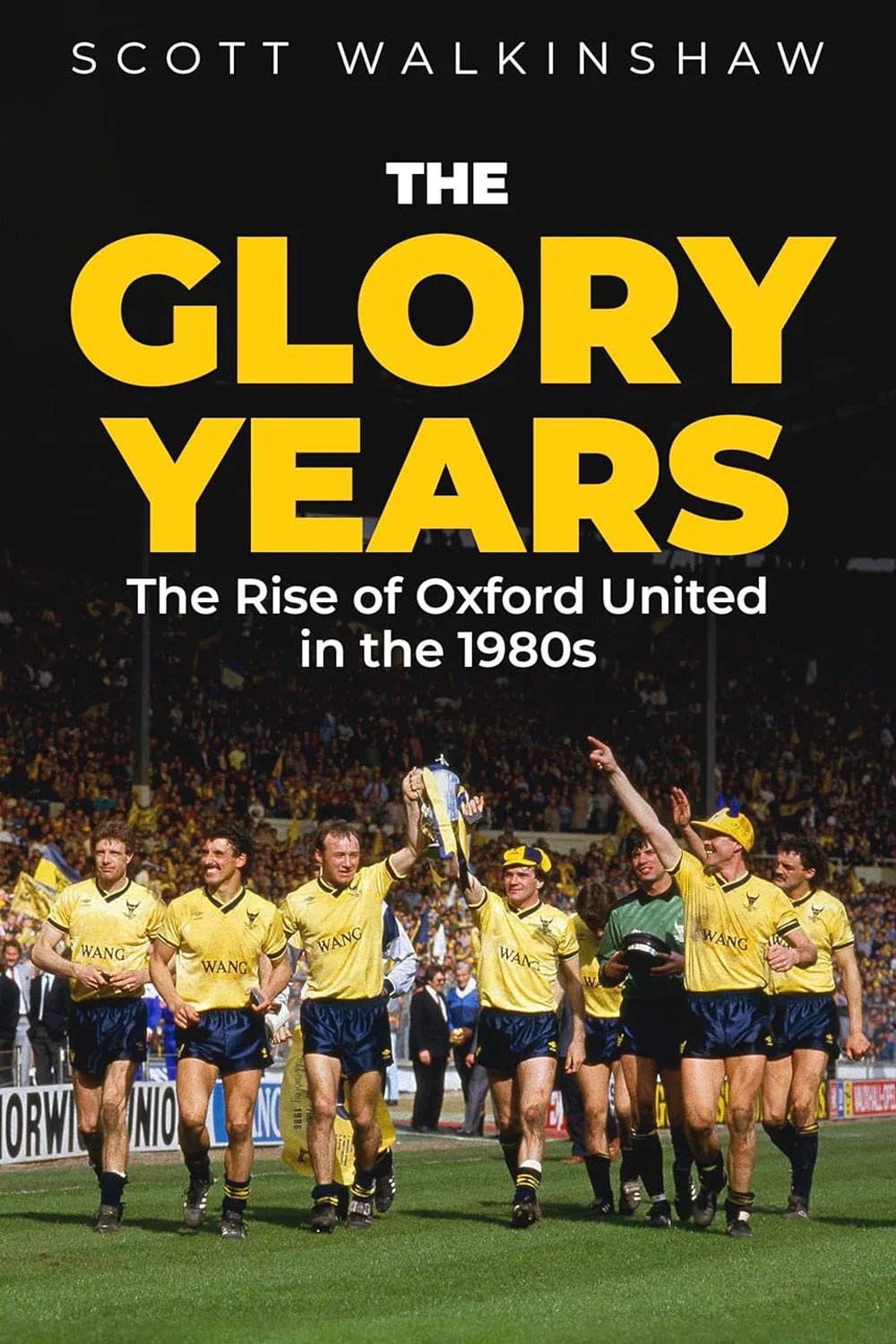
They booed Jim Smith once upon a time.
In 1983, after a 2-2 draw with Orient, the London Road hammered out a solid chorus of ‘What a load of rubbish’ as the players left the field. We were seventh in Division Three and Smith had been in post for about a year. We were pretty much in exactly the same place we were in when he inherited the team.
When he was at Birmingham City, Smith gained a reputation for increasing the wage bill without, it was argued, improving the team’s performances. He didn’t make players great, he could attract and keep them, but he didn’t develop them technically or tactically. When he misjudged their ability, he was left with expensive duds. At Oxford, despite having Robert Maxwell’s money behind him, it seemed like he was doing the same; when he took over from his predecessor Ian Greaves we were sixth. When the results didn’t come, they booed.
From a fan’s perspective, Smith’s job was to continue the upward cycle that Greaves had kick-started. In fact, and only hindsight tells us this, Smith was at the start of a brand new cycle. We didn’t know it at the time, but the top of Greaves’ cycle was the bottom of Smith’s. So, rather than build on Greaves’ work, he had to dismantle it and start again.
We want progress to be linear, year-on-year incremental improvements. This is a particular bind for a long-term incumbent like Karl Robinson. We talk about constantly strengthening the squad; if we finish eighth one season, then we should finish sixth the next, then fourth and so on.
Today, particularly with freedom of contract and the vast gaps between the haves and have-nots, squads are more likely to go through a series of cycles. They build and then are dismantled, then build again. Those cycles are getting shorter – throughout the 1990s we had 107 players appear play in an Oxford shirt, in the decade of the 2000s that jumped to 221, it’s grown since.
The difference between the biggest and smallest clubs is how long those cycles are and what the lowest low point is. Alex Ferguson built three squads over his 27 years; that’s 9 year cycles and the lowest point was not winning the league title. Our cycle is more like 2-3 years with a current low of around mid-table in League 1 and a high of the play-offs. At the moment, we seem to be at the bottom of a new cycle.
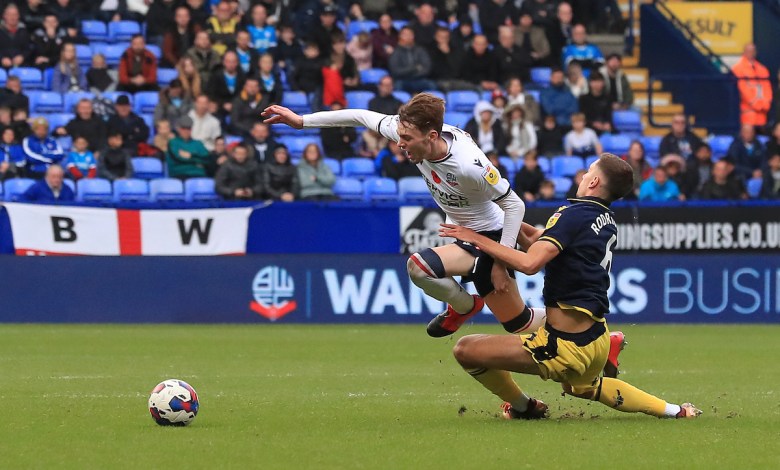
I thought that was particularly evident as Djavan Anderson wheeled away to celebrate the opening goal in the 3-1 win over Bolton. The first players to get to him were Gatlin O’Donkor, Kyle Joseph and Lewis Bate, all of whom are relatively new on the scene. There’s stability in the squad, but there’s still a lot of turnover.
I’ve always thought that there’s something about Karl Robinson’s approach that must take some getting used to. Our slow starts most seasons eventually seem to come good. That might be tactical or cultural, but it does seem to take some players a while to bed in and gel together.
Last season we had a lot more stability over the summer, particularly with ‘new’ players like Whyte and Holland returning to the club and as a result we started better and were generally more stable. But, that stability doesn’t last long; loans tend to last a season, contracts are up every 2-3 years and squads have to be reconstructed constantly. With good planning and money those cycles can be extended, without it they become shorter – many National League clubs practically start again each summer.
We are, perhaps, beginning to see the early signs of a team that’s starting to gel; Ciaron Brown – also a relative newcomer – now has the confidence in himself, and the team, to burst forward and drive in the second. A few weeks ago perhaps he wouldn’t have been so bold. Even Steve Seddon crashing through a group of players for the third takes a level of trust. If it’d gone wrong, players might have questioned what the hell he was playing at.
The hope is that the peak of each cycle will take you a little higher; if we do find form then we can still finish around the play-off – we’re only five points behind Charlton in ninth with two games in hand. Then, perhaps, with a little bit more stability next summer we’ll be able to build for a more solid run at the play-offs.
But, there are big questions in all that; fans are not that patient, they want the short-term buzz and immediate success. There’s a lot of faith needed to allow a manager to rebuild in the hope of showing progress in 18 months time. That’s a particularly issue for a manager that has been in place a while; how many two year cycles do we give him to possibly/maybe/perhaps take us a little higher? Wins will buy you time, but how much?
 Oxblogger
Leave a comment